

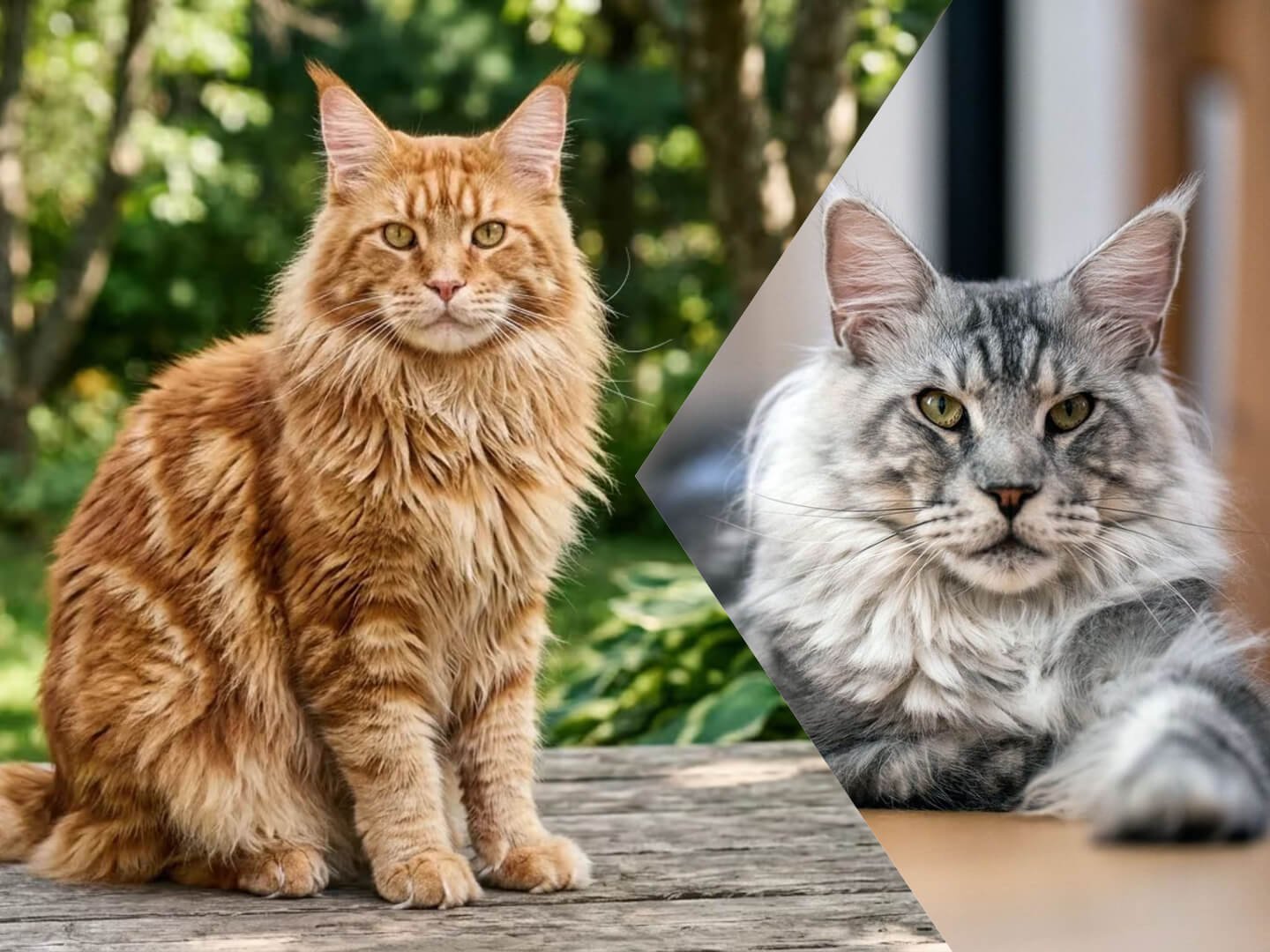
Few cats attract attention quite like the Maine Coon. They’re big, fluffy, friendly, and often described as the “gentle giants” of the cat world. Spend just a few minutes looking at photos of one stretched across a couch or following its owner around the house, and it’s easy to understand why so many people want one.
But there’s a question that comes up again and again, especially from people who have allergies: are Maine Coons hypoallergenic?
It’s an important question because bringing a cat into your home is a long-term commitment. If you or someone in your family sneezes around cats, choosing the wrong breed could turn daily life into a constant battle with itchy eyes, congestion, and endless tissues.
Here’s the thing: the answer isn’t as simple as yes or no.
Are Maine Coons Hypoallergenic?
Let’s start with the short answer.
No, Maine Coons are not considered hypoallergenic.
Despite what you may have seen online, there is no truly hypoallergenic cat breed. Every cat produces proteins that can trigger allergic reactions in sensitive people.
The biggest culprit is a protein called Fel d 1, which is found in a cat’s saliva, skin oils, and dander. Tiny flakes of skin and dried saliva eventually spread through the home, where they become airborne and settle on furniture, clothing, carpets, and bedding.
That’s what most people are actually allergic to—not the fur itself.
So even though Maine Coons have beautiful long coats, the coat isn’t the real problem.
Why People Think Maine Coons Are Hypoallergenic
The myth has been around for years.
Some owners claim their allergies improved after adopting a Maine Coon. Others notice fewer symptoms compared to different breeds and assume the breed must be hypoallergenic.
There are a few reasons this happens.
Every cat produces different amounts of the Fel d 1 protein. Two Maine Coons from different breeders can affect allergy sufferers very differently.
People also react differently.
Someone with mild allergies may live comfortably with a Maine Coon, while another person experiences severe symptoms within minutes.
Think of it like pollen. One person barely notices spring flowers. Another can’t leave the house without allergy medicine.
Cats work much the same way.
Their Long Fur Isn’t the Main Issue
At first glance, many people assume long-haired cats must cause worse allergies.
It sounds logical.
More fur equals more allergens.
Not exactly.
Hair simply carries allergens around.
The real source remains saliva and skin flakes.
A short-haired cat that produces large amounts of Fel d 1 can trigger stronger reactions than a long-haired Maine Coon with lower protein production.
That surprises many first-time cat owners.
So don’t judge allergy potential based only on coat length.
Do Maine Coons Shed a Lot?
Yes, they do.
Maine Coons have thick, water-resistant double coats that shed throughout the year.
Shedding usually increases during seasonal coat changes, especially in spring and fall.
More loose hair means more opportunities for dander and dried saliva to spread around your home.
Imagine brushing your Maine Coon after a few weeks without grooming.
You’ll probably collect enough fur to fill a small shopping bag.
Without regular brushing, much of that loose hair ends up on your floors, furniture, and clothing.
For allergy sufferers, that’s something worth considering.
Can People With Cat Allergies Own a Maine Coon?
Sometimes.
Many allergy sufferers successfully own Maine Coons by managing allergens carefully.
Success depends on several factors.
How severe your allergies are.
How much Fel d 1 your individual cat produces.
How well you maintain your home.
Some people experience only occasional sneezing.
Others develop asthma symptoms after just a few minutes around cats.
That’s why spending time with a Maine Coon before bringing one home is such a smart idea.
Visit a breeder.
Meet an adult Maine Coon.
Stay for an hour or two.
Pay attention to how your body responds.
That simple test can prevent years of frustration.
Ways to Reduce Allergens in Your Home
Owning a Maine Coon doesn’t automatically mean living with constant allergies.
Small habits can make a noticeable difference.
Brush your cat regularly to remove loose fur before it spreads through the house. Many owners prefer brushing outdoors whenever possible.
Vacuum carpets, rugs, and upholstered furniture using a vacuum equipped with a HEPA filter.
Wash your cat’s bedding every week.
Clean blankets and couch covers frequently.
Replace HVAC filters on schedule.
Using an air purifier with a HEPA filter can also help remove airborne allergens.
Now, none of these steps eliminate allergens completely.
They simply reduce the amount circulating through your home.
For many families, that’s enough to make daily life much more comfortable.
Grooming Makes a Bigger Difference Than You Might Think
Maine Coons naturally require regular grooming.
Their thick coats can develop tangles if neglected.
Fortunately, routine brushing provides another benefit.
It removes dead hair before it ends up floating through your home.
A quick brushing session three or four times each week can significantly reduce shedding.
Some owners even make it part of their evening routine.
Picture yourself relaxing after dinner while your Maine Coon happily stretches across your lap for a brushing session.
It’s good bonding time.
It’s also good allergy management.
Are Male or Female Maine Coons Better for Allergies?
Research suggests male cats often produce slightly more Fel d 1 protein than females, especially if they haven’t been neutered.
That doesn’t mean every female Maine Coon is better for allergy sufferers.
Individual differences matter much more than gender alone.
A neutered male may produce fewer allergens than an unspayed female.
Genetics also play a role.
That’s why meeting the specific cat you’re considering is far more useful than relying on general rules.
Kittens May Not Reveal Allergy Problems Immediately
Here’s something many new owners don’t realize.
Young kittens often produce fewer allergens than adult cats.
Someone might spend an afternoon with an adorable eight-week-old Maine Coon and experience almost no symptoms.
Months later, after the kitten matures, allergy reactions become much stronger.
That’s completely normal.
The production of Fel d 1 generally increases as cats reach adulthood.
It’s another reason breeders should never guarantee that a kitten will remain allergy-friendly.
Other Cat Breeds Often Considered More Allergy-Friendly
If allergies are your biggest concern, some breeds have developed reputations for producing lower levels of allergens.
The Siberian is perhaps the best-known example. Many owners with mild allergies report fewer reactions, although no guarantee exists.
Balinese cats are another breed often mentioned because some individuals appear to produce less Fel d 1.
Russian Blues also have loyal fans among allergy sufferers.
Even so, every cat is unique.
Choosing a breed solely because someone called it hypoallergenic can lead to disappointment.
Is Professional Allergy Testing Worth It?
If you’ve always dreamed of owning a Maine Coon but struggle with allergies, speaking with an allergist can be worthwhile.
Modern allergy testing can confirm whether cats are actually your trigger or whether something else, such as dust mites or mold, is making symptoms worse.
An allergist may also recommend medications or allergy immunotherapy if your reactions are significant.
Many lifelong cat owners successfully manage allergies with professional guidance.
It’s certainly better than guessing.
Living Happily With a Maine Coon Despite Allergies
Let’s be honest.
Maine Coons have incredible personalities.
They’re playful without being overly demanding.
Many greet their owners at the door, enjoy following people from room to room, and often behave more like dogs than typical cats.
For many families, those qualities outweigh the extra cleaning required.
If your allergies are mild and manageable, a Maine Coon may still be a wonderful companion.
You’ll simply need to stay consistent with grooming, cleaning, and air quality.
Most owners quickly settle into routines that become second nature.
The Bottom Line
So, are Maine Coons hypoallergenic? The honest answer is no. Like all cats, they produce the Fel d 1 protein that causes allergic reactions, and their thick coats can spread those allergens throughout the home.
That doesn’t automatically rule them out for allergy sufferers, though. Many people with mild cat allergies successfully live with Maine Coons by grooming regularly, keeping their homes clean, using air purifiers, and spending time with a cat before making the commitment.
At the end of the day, every person and every cat is different. If you’ve fallen in love with the Maine Coon’s affectionate personality and majestic appearance, don’t rely on internet myths alone. Meet the cat, understand your own allergies, and make a decision based on real experience. That approach gives you the best chance of enjoying life with one of the most lovable cat breeds in the world.
